
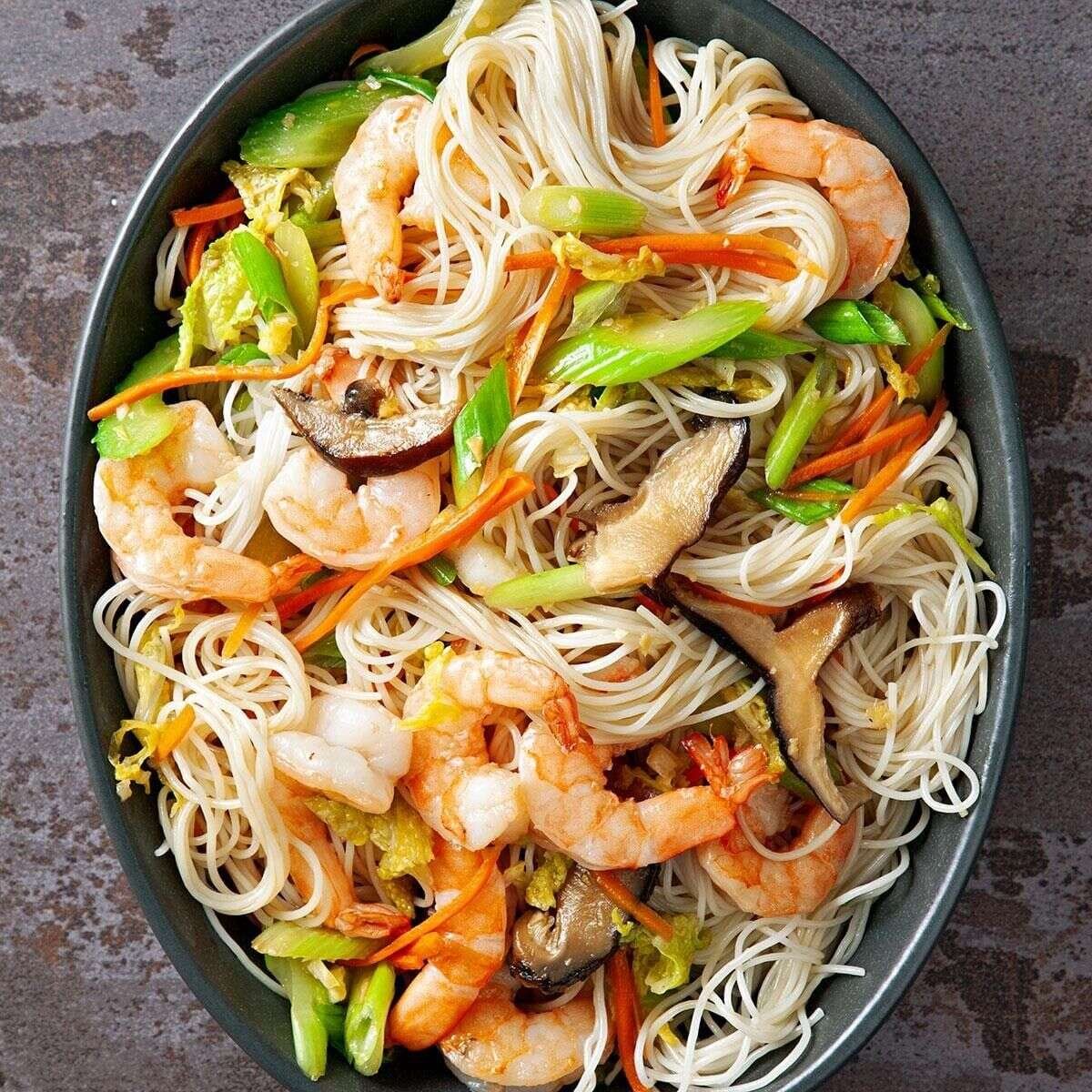
Shrimp Mei Fun
I make this shrimp mei fun when I want a flavorful noodle dinner that brings together tender shrimp, thin rice vermicelli, vegetables, mushrooms, and a savory sauce in one wok. I love how quickly everything comes together once I have the ingredients prepared.
My favorite part is the texture. The rice noodles stay springy, the shrimp cook quickly, and the vegetables add a fresh bite. I also get plenty of savory flavor from soy sauce, oyster sauce, Shaoxing wine, garlic, ginger, and sesame oil.
I think of shrimp mei fun as a practical weeknight meal, but I am just as happy serving it when I have family or friends around. I can prepare the vegetables and sauce ahead, then stir-fry everything in stages so the noodles do not become heavy or mushy.
I also like that mei fun is easy to distinguish from other Chinese rice-noodle dishes. The name refers to thin rice vermicelli, while chow fun is generally made with wider, flat rice noodles. This recipe gives me a lighter noodle texture with plenty of vegetables and shrimp.
What is shrimp mei fun?
To me, shrimp mei fun is a stir-fried dish built around thin rice vermicelli, shrimp, vegetables, mushrooms, and a savory sauce. The combination is simple, but each ingredient adds something useful: the noodles carry the sauce, the shrimp add protein, and the vegetables keep the dish colorful and crisp.
I prefer using a well-seasoned carbon steel wok because its shape gives me room to toss the noodles and vegetables without crowding them. A large nonstick skillet also works well. I focus on keeping the heat steady and cooking the ingredients in stages so everything finishes with the right texture.
For me, the key is preparing everything before I turn on the heat. Stir-frying moves quickly, so I slice the vegetables, prepare the shrimp, mix the sauce, and soak the noodles first. That small bit of preparation makes the cooking process much easier.
Shrimp Mei Fun Ingredients
I keep the ingredient list organized because this recipe has several components. The shiitake mushrooms bring savory depth, rice vermicelli provides the base, shrimp add a tender protein, and the vegetables give me color and crunch. The sauce ties everything together with a balanced salty, savory, aromatic finish.
| Ingredient | Amount |
|---|---|
| Dried sliced shiitake mushrooms | 2 cups (about 2 ounces) |
| Thin rice noodles (vermicelli) | 14 ounces |
| Sesame oil | 1 teaspoon |
| Canola oil, divided | 3 tablespoons |
| Uncooked shrimp (26-30 per pound), peeled and deveined | 2 pounds |
| Julienned carrot | 2 cups |
| Julienned Chinese celery or julienned regular celery | 1 cup Chinese celery or 2 cups regular celery |
| Shredded napa cabbage | 3 cups |
| Reduced-sodium soy sauce | 3 tablespoons |
| Oyster sauce | 2 tablespoons |
| Garlic, minced | 4 cloves |
| Fresh gingerroot, minced | 1 tablespoon |
| Shaoxing wine | 1 tablespoon |
| Green onions, chopped | 6 |
I use thin rice vermicelli rather than wider rice noodles because that is what gives mei fun its familiar delicate texture. For the shrimp, I prefer peeled and deveined pieces so I can move straight into the cooking process. I also prepare the sauce ingredients before frying because the final stir-fry comes together quickly.
Directions
Step 1: Soak the shiitake mushrooms and mei fun
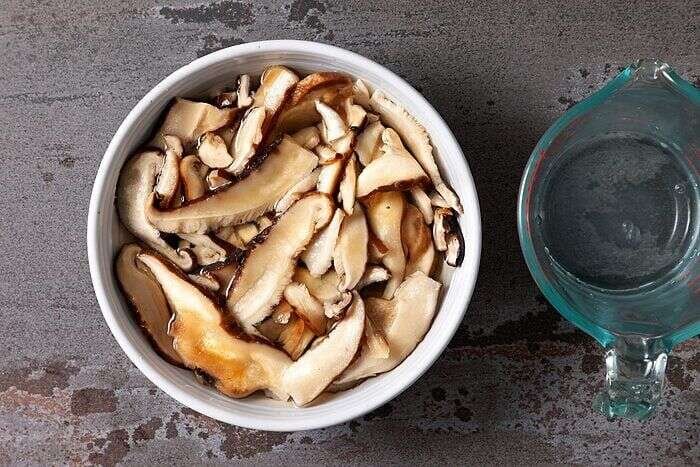
I soak the dried shiitake mushrooms in a bowl with room temperature water until they become soft and pliable. Depending on the mushrooms, I allow about 30 to 40 minutes. When I have time, I prefer soaking them overnight because they become especially tender and flavorful.
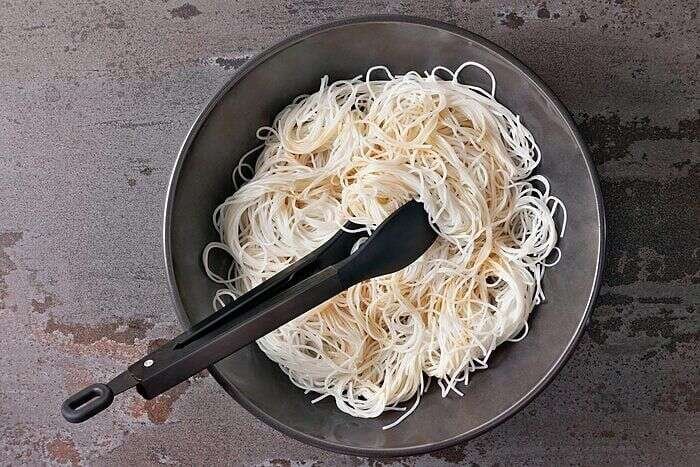
I soak the mei fun in a bowl of room temperature water for at least 30 minutes, although I prefer about one hour for the best texture. I drain the noodles, toss them with sesame oil in a large bowl, and set them aside.
My Tip: If I use whole mushrooms instead of sliced ones, I remove the stems and julienne the caps after they rehydrate. When I am short on time, I soak the mushrooms in very hot water for about 20 minutes. I can also cook the mei fun in boiling water for one minute.
Step 2: Sear the shrimp
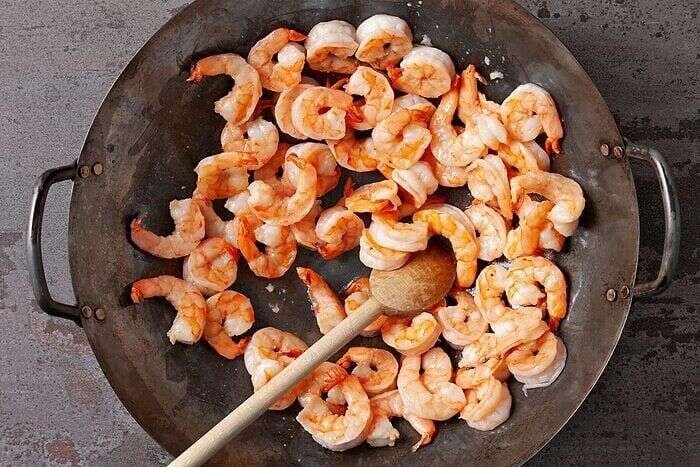
I heat a wok or large nonstick skillet to medium heat and add one tablespoon of oil. I cook the shrimp until they are no longer pink, about two to three minutes. I remove them with a slotted spoon and set them aside so they do not overcook while I prepare the vegetables.
Step 3: Cook the vegetables and mushrooms
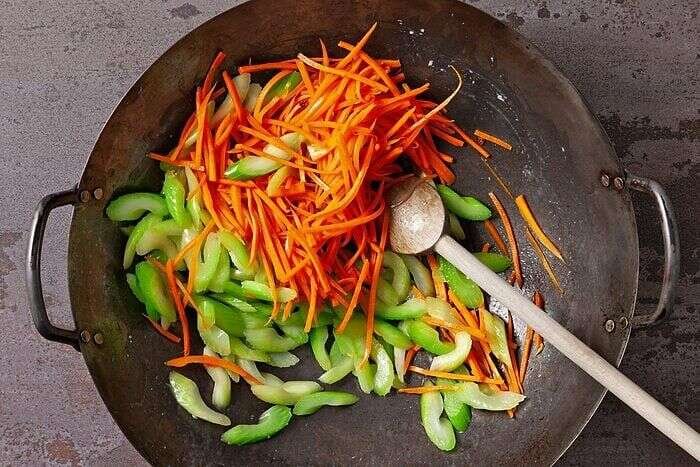
In the same skillet, I heat the remaining two tablespoons of oil over medium heat. I add the carrots and celery and cook them until they are just tender, about four to five minutes.
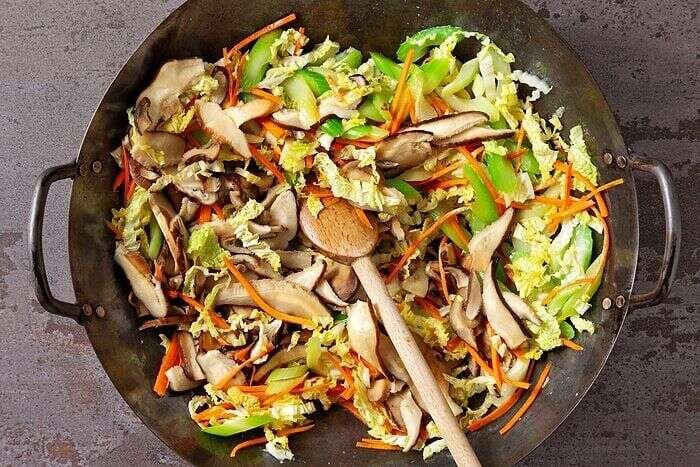
I add the reserved mushrooms and cabbage, then stir-fry them for four to six minutes, or until the vegetables are crisp-tender. I like keeping some bite in the vegetables because the texture works well with the soft rice noodles.
Step 4: Make the sauce
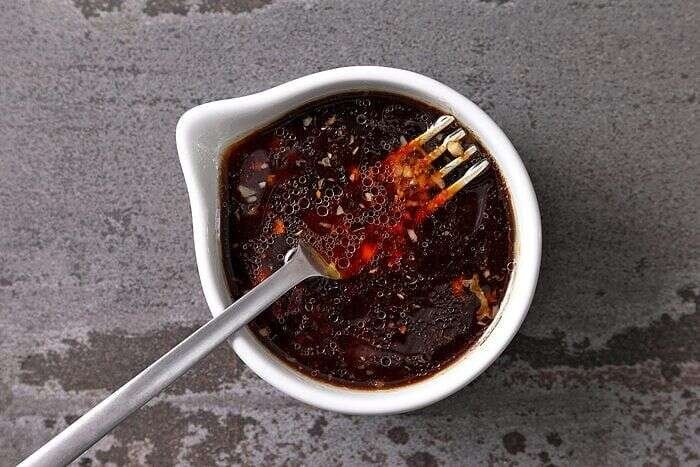
I whisk together the soy sauce, oyster sauce, garlic, ginger, and Shaoxing wine in a small bowl. Mixing the sauce first helps me add it quickly and evenly once the vegetables are ready.
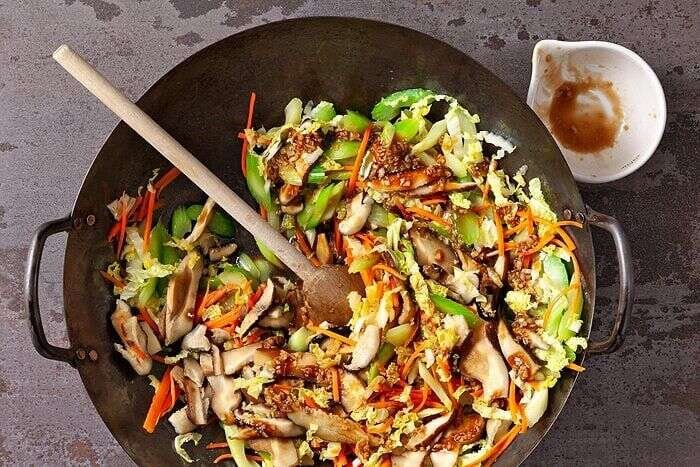
I add the sauce to the pan and toss it with the vegetables. I keep the ingredients moving so the sauce coats everything without sitting in one spot for too long.
Step 5: Add the mei fun and shrimp
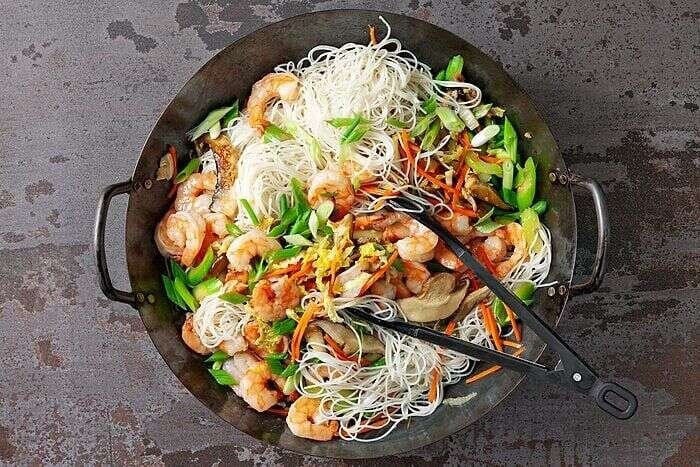
I fold in the shrimp, rice noodles, and green onions. I use tongs or chopsticks when helpful because they make it easier to lift and separate the long noodles while tossing everything together.
My Tip: I look for the mei fun to turn a light brown color as the sauce coats the noodles. I toss gently but thoroughly so the noodles pick up the sauce without breaking apart.
Recipe Variations
- Add an egg: I can scramble an egg separately and mix it into the noodles at the end for another layer of texture.
- Singapore noodles: When I want a Singapore-style variation, I can add char siu pork while stir-frying the shrimp and sprinkle in some curry powder at the end.
- Use a different protein: I can swap the shrimp for pork, chicken, beef, or another protein that suits the meal.
- Deepen the color: I can add a dash of dark soy sauce at the end when I want darker, more deeply colored noodles.
How to Store Shrimp Mei Fun
I store cooked shrimp mei fun in a sealed container in the refrigerator for three to four days. I can also freeze leftovers for three to four months. Before storing, I let the noodles cool and then refrigerate or freeze them promptly. When reheating, I use a skillet over medium heat and add a small splash of water if the noodles need loosening.
Shrimp Mei Fun Tips
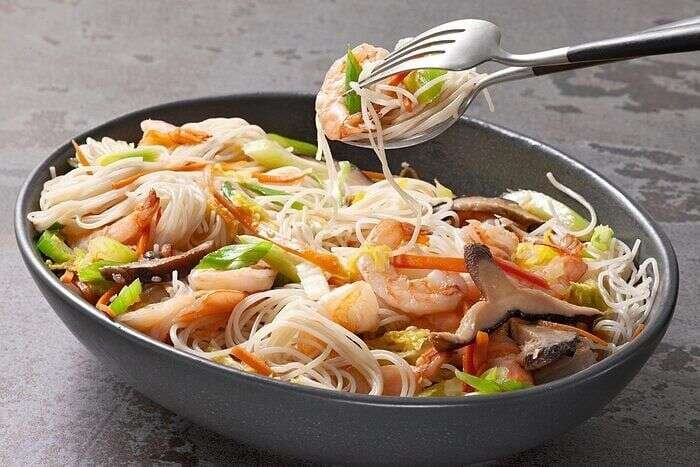
I get the best results when I have everything ready before stir-frying. I also avoid soaking the noodles longer than needed, keep the shrimp from overcooking, and use high enough heat to cook the vegetables without turning them soft. Most importantly, I keep the final noodle toss quick so the mei fun stays springy.
What’s the difference between shrimp mei fun and shrimp chow fun?
The main difference is the noodles. I use thin rice vermicelli for mei fun, while chow fun generally uses wide, flat rice noodles called ho fun. Because the noodles have different shapes and textures, the finished dishes feel quite different even when they use similar stir-fry ingredients.
How do you serve shrimp mei fun?
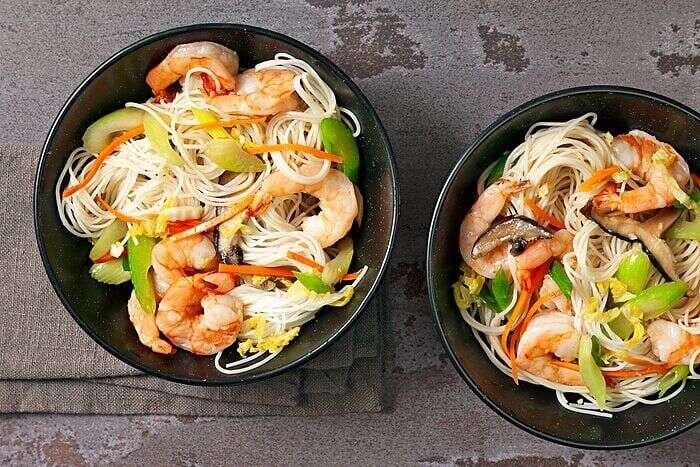
I serve shrimp mei fun as a complete lunch or dinner because it already combines noodles, shrimp, mushrooms, and vegetables. I can also serve smaller portions alongside other protein or vegetable dishes when I am preparing a larger meal. For a simple plate, I like adding extra green onions just before serving.
I also like serving this noodle dish with other recipes when I am building a larger spread. Its savory sauce and vegetable-heavy texture make it easy to pair with simple sides, fresh greens, or additional Asian-inspired dishes.
Frequently Asked Questions
Can I use fresh shiitake mushrooms instead of dried?
Yes. I can use fresh shiitake mushrooms when dried ones are not available. I slice the fresh mushrooms and cook them with the vegetables. I prefer dried shiitakes when I want a deeper savory flavor, but fresh mushrooms still work well in the stir-fry.
How do I keep shrimp mei fun from becoming mushy?
I avoid over-soaking the noodles and drain them thoroughly before adding them to the wok. I also cook the ingredients in stages and keep the final toss fairly quick. These steps help the rice vermicelli stay springy instead of absorbing too much moisture.
Can I make shrimp mei fun with another protein?
Yes. I can replace the shrimp with chicken, pork, beef, or another protein. I adjust the cooking time according to the protein I choose and make sure it is fully cooked before combining it with the noodles and vegetables.
Is shrimp mei fun gluten-free?
The rice noodles themselves are naturally gluten-free, but I do not automatically consider this recipe gluten-free because soy sauce and oyster sauce can contain gluten depending on the brand. If I need a gluten-free meal, I check every sauce and ingredient label and choose certified or clearly labeled gluten-free alternatives.
Nutrition Information
Estimated nutrition per serving, based on 8 servings. The estimate can vary with the exact shrimp size, noodles, sauces, vegetables, and amount of oil absorbed during cooking.
| Nutrition | Amount |
|---|---|
| Calories | 430 kcal |
| Carbohydrates | 50 g |
| Protein | 35 g |
| Fat | 11 g |
| Fiber | 3 g |
| Sugar | 5 g |
| Sodium | 1,020 mg |
Finally, Conclusion
I keep this shrimp mei fun recipe in my rotation because it gives me tender shrimp, springy rice noodles, crisp vegetables, and savory sauce in one satisfying meal. Once I prepare the ingredients, the stir-frying itself is quick and straightforward.
I also like how flexible the dish can be. I can change the protein, add an egg, adjust the vegetables, or deepen the noodle color with dark soy sauce. For me, the most important details are soaking the noodles properly, cooking in stages, and keeping the final toss quick.
